HARO and journalist requests
White hat. Within Google’s guidelines. Safe to use. White, grey and black hat SEO compared
What are HARO and journalist requests?
HARO (Help a Reporter Out) is the best-known journalist request service: a service that connects reporters who need expert sources with people who can help. Journalists post a query, such as “nutritionist needed to comment on protein bars”, and experts reply with a quote. If it is used, you may earn a mention and often a link.
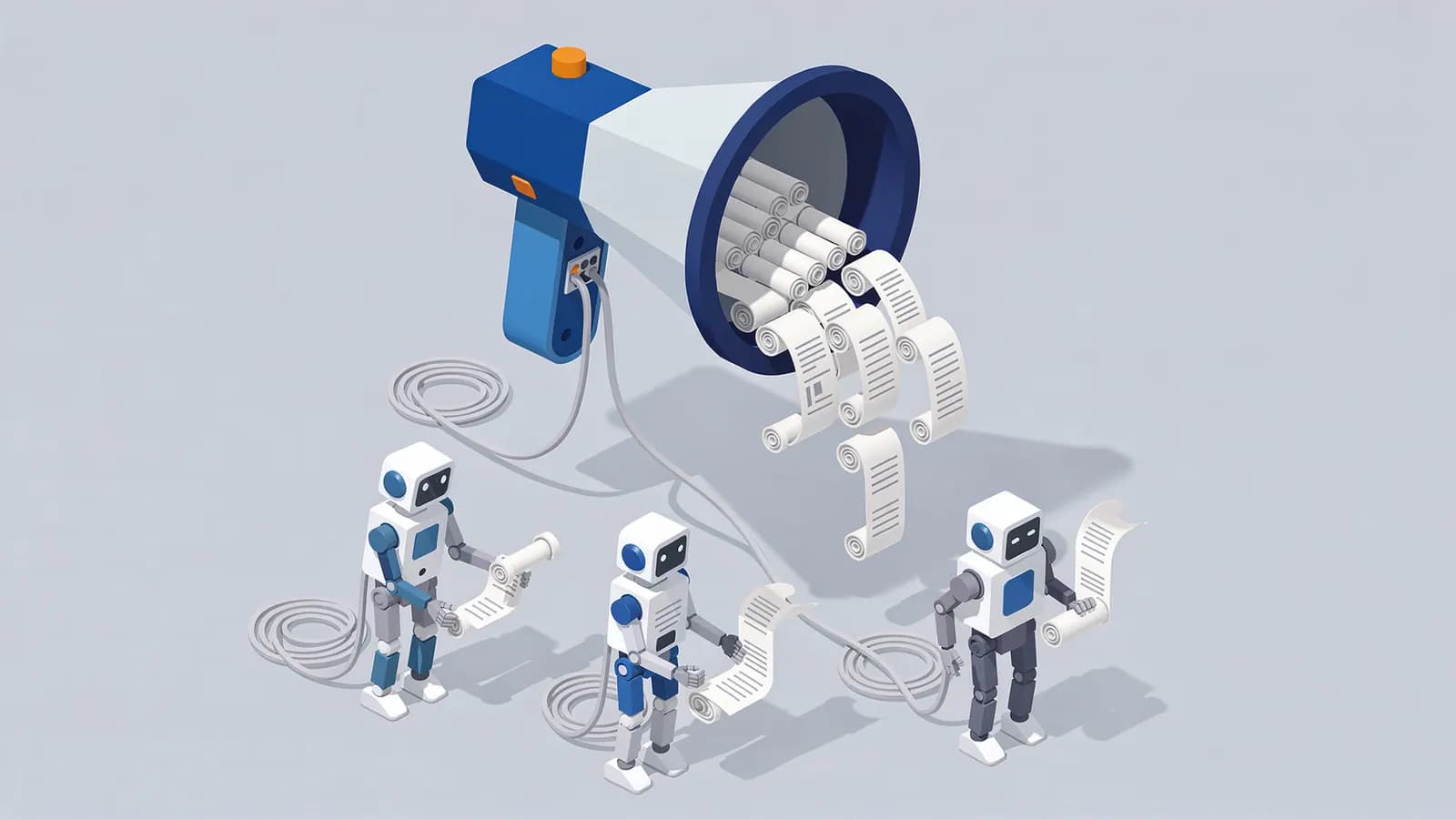
HARO launched in 2008 and was later owned by Cision. Cision rebranded it as Connectively in 2024 and then closed Connectively in December 2024. In April 2025 the HARO brand was sold to Featured.com, which relaunched it as an email service. Other services work in a similar way, including Qwoted and Featured, and many journalists post requests on social media with hashtags such as #journorequest.
Why HARO and journalist requests matter for SEO
Answering journalist requests can earn editorial links and brand mentions from news and industry publications that are hard to reach any other way. The journalist decides what to use, so it fits within Google’s guidelines as part of digital PR.
Expect low hit rates. Popular requests attract many replies, including a growing share of generic AI-written pitches, so editors favour fast, specific answers from people with real credentials. Some publications nofollow outbound links, but the mention and credibility still help.
How to get links from journalist requests
- Sign up to one or two services and filter requests to topics where you have real expertise.
- Reply quickly. Many requests fill within hours.
- Answer the question directly in the first lines, with a quotable sentence and a specific detail or number you can stand behind.
- Include your name, title, company and a link to a relevant page or bio.
- Never pay for placement in an article through these services, and do not use AI to invent experience you do not have.
- Track which pitches were used and check the published article for the link.
HARO and journalist requests FAQ
Does HARO still exist?
Yes, in a new form. Cision closed HARO’s successor Connectively in December 2024, and the HARO brand was bought by Featured.com, which relaunched it in April 2025.
Are HARO links good for SEO?
Links from journalists who quote you are editorial links and can be valuable, especially from relevant publications. Not every quote comes with a followed link.
What are alternatives to HARO?
Other journalist request services such as Qwoted and Featured, and journalists’ own requests on social media under hashtags like #journorequest.
Related SEO terms
Digital PRWhite hat
Digital PR is earning coverage and links from news sites, blogs and online publications by giving journalists stories, data or expert comment.
Editorial links are backlinks a writer or editor chooses to give because your content is worth citing, without payment or a link exchange.
Link buildingWhite hat
Link building is the work of getting other websites to link to yours, to earn referral traffic and the trust that helps pages rank.
Brand mentions are references to your brand name on other websites or in AI answers, with or without a link to your site.
E-E-A-T stands for experience, expertise, authoritativeness and trustworthiness: the qualities Google’s quality raters look for in content.