Service area business
What is a service area business?
A service area business (SAB) is a business that serves customers at their location rather than at its own premises, such as plumbers, electricians, cleaners and mobile dog groomers. On a Google Business Profile, it sets a service area, made of cities, postcodes or regions, and hides its street address.
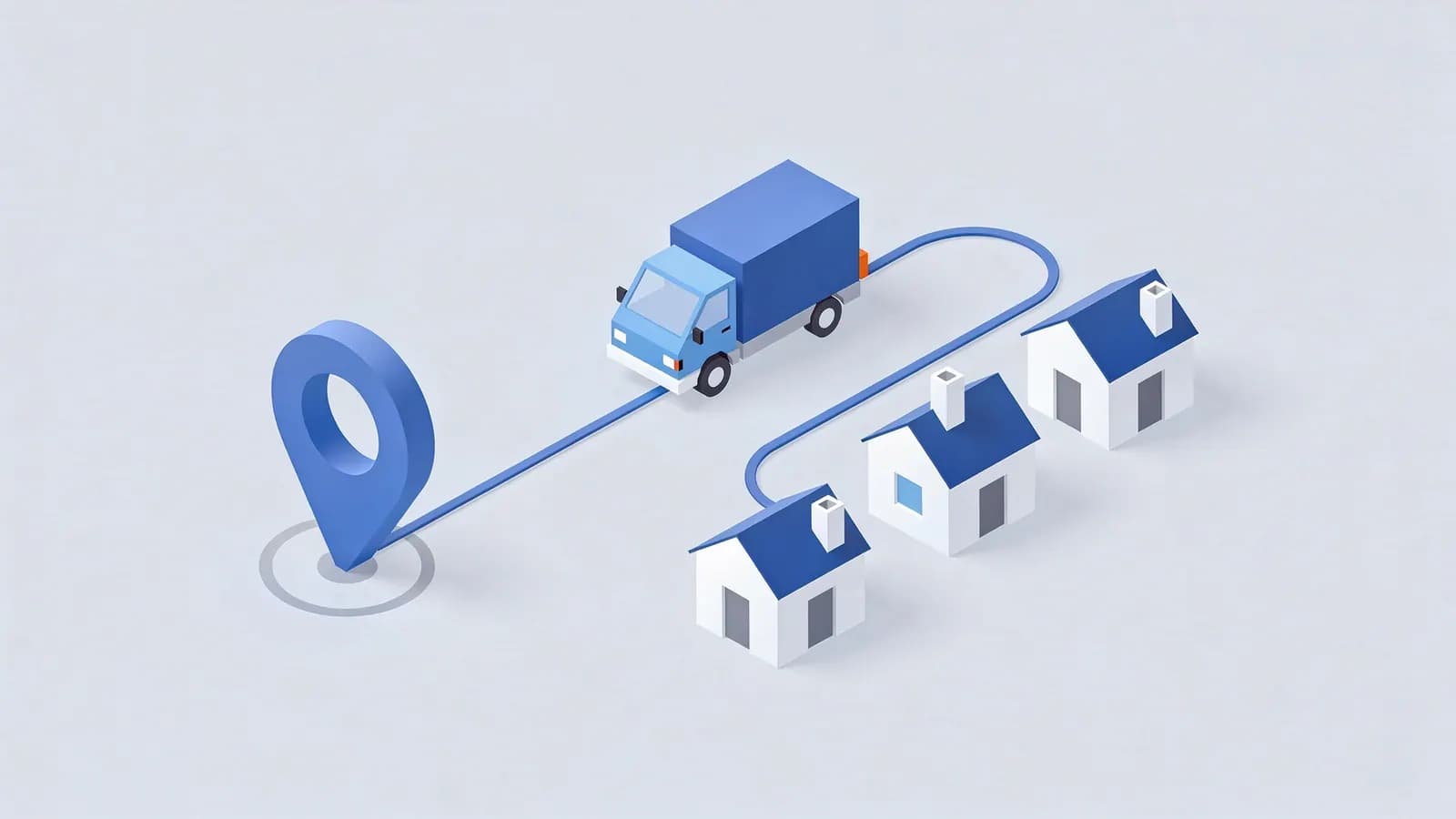
Google’s guidelines say that if you do not serve customers in person at your address, you should not show it. Hybrid businesses, such as a locksmith with a shop front who also visits customers, can show their address and set a service area as well.
Why service area business matters for SEO
Service area businesses still compete in the local pack, but setting a wide service area does not make you rank everywhere in it. Google still uses the business’s location for distance, so visibility usually remains strongest near the verified address.
This is why SABs are tempted to create fake addresses, virtual offices or extra profiles in other towns. Google’s guidelines prohibit them, and they are a common cause of suspended profiles.
How to set up a service area on Google
- In your profile, clear the address if customers do not visit you, then add your service areas.
- List the cities or postcodes you genuinely cover. Google says the boundary should not extend much more than about two hours’ drive from your base.
- Create a useful page on your site for each main area or service, with real local detail rather than swapped town names.
- Use a geo-grid to see where you actually rank across the service area.
Service area business FAQ
Should I hide my address on Google Business Profile?
Yes, if customers do not visit you there. Google’s guidelines require service area businesses that do not serve customers at their address to hide it.
Can I rank in towns outside my address?
Sometimes, but distance from your business location still limits local pack rankings. Location pages on your website can help you rank in normal organic results for those towns.
Related SEO terms
Google Business Profile is Google’s free listing for local businesses, shown in Maps and the local pack with hours, reviews, photos and directions.
Local landing pages are pages on your site for a specific location or service area, giving local details customers and search engines need.
Geo-grid rank tracking checks your Google Maps ranking from many points in a grid around an area, showing how your local visibility changes by location.
Local ranking factors decide which businesses Google shows in Maps and the local pack. Google names three: relevance, distance and prominence.
Doorway pagesBlack hat
Doorway pages are near-identical pages or sites built to rank for many similar searches and funnel visitors to one destination, against Google’s policies.